
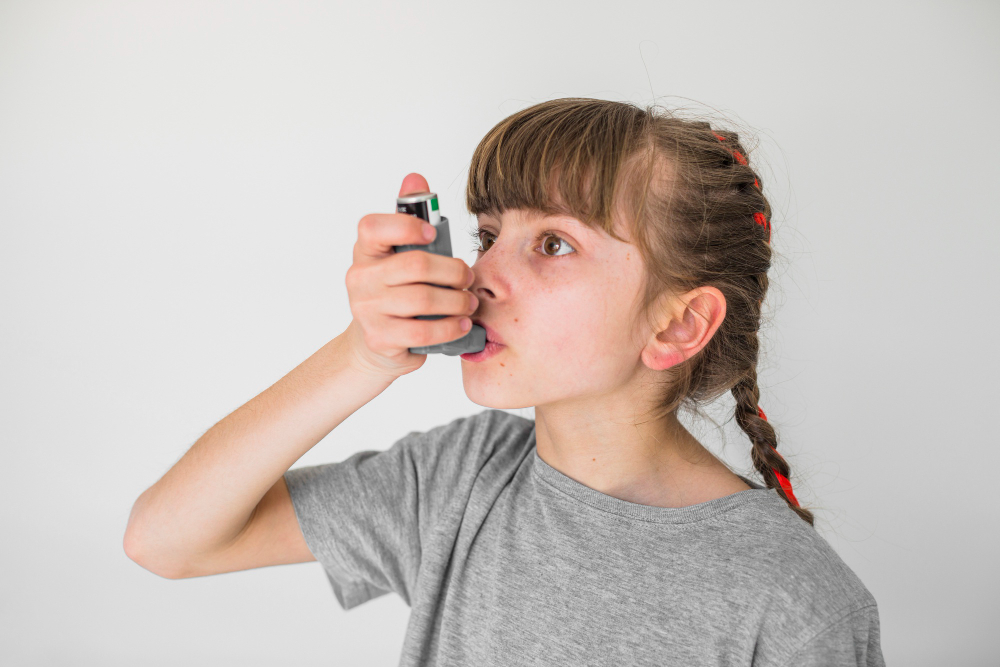
What is Asthma in Children?
Asthma in children is a long-term lung condition. It causes the airways to become swollen and narrow. Because of this, children may find it hard to breathe. Asthma in children can start at any age, but it often begins before age five. According to the CDC, asthma is one of the most common chronic diseases in kids. Early care can help children lead healthy lives.
Common Symptoms
Children with asthma may show different signs. However, some symptoms are more common. Knowing these signs helps parents spot childhood asthma symptoms early. Look for:
Sometimes, symptoms get worse with colds or allergies. If you notice these signs often, it may be asthma.
Causes and Risk Factors
Many things can cause asthma in children. While the exact cause is not always clear, several risk factors make it more likely. For example, children may develop asthma if:
In addition, weather changes, exercise, or strong smells can trigger asthma attacks in kids.
How Asthma is Diagnosed in Children
Doctors use several steps to diagnose asthma in children. First, they ask about symptoms and family history. Next, they may listen to your child’s breathing. Sometimes, they use tests to check lung function. For young children, doctors may watch how they respond to asthma treatment for children. If symptoms improve, it helps confirm the diagnosis. Early diagnosis is important for managing asthma in kids.
Treatment and Management Options
Managing asthma in kids involves several steps. Treatment plans are made for each child. Most children need:
Doctors may also suggest allergy medicines if allergies trigger asthma. Importantly, parents should learn how to use inhalers and spacers correctly. Following the treatment plan helps keep symptoms under control.
Lifestyle Tips for Families
Families can help children manage asthma by making simple changes at home. For example:
Additionally, teach your child to notice early signs of an asthma attack. This helps them get help quickly.
Prevention and Early Intervention
While asthma cannot always be prevented, early action can reduce attacks. For instance, avoid known triggers like smoke, pets, or pollen. Make sure your child gets regular check-ups. If your child has allergies, treat them early. Keeping up with vaccines, like the flu shot, can also help prevent breathing problems. Early intervention leads to better asthma control.
When to See a Pediatrician
Sometimes, asthma symptoms can get worse quickly. Seek medical help if your child:
Even if symptoms seem mild, regular visits to a pediatrician are important. They can adjust the treatment plan as your child grows.
For personalized asthma management advice, consult a pediatrician at Jabilli Hospital. Early care can help your child stay healthy and active.