
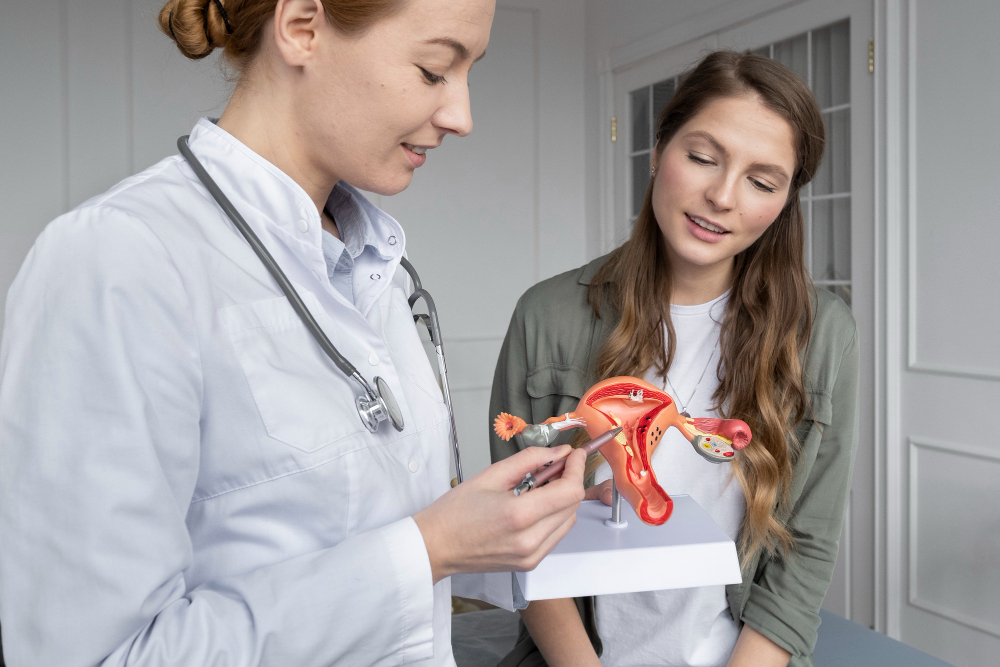
What Are Uterine Fibroids?
Uterine fibroids are non-cancerous growths that form in or on the uterus. Many women develop uterine fibroids during their lifetime. However, most fibroids are harmless. These growths can vary in size. Some are as small as a seed, while others can be much larger. Although fibroids are common, not everyone has symptoms. Still, understanding uterine fibroids is important for your health.
Common Symptoms of Uterine Fibroids
Many women with uterine fibroids do not notice any problems. But sometimes, fibroids can cause symptoms. For example, you might notice:
On the other hand, some women may only have mild symptoms. If you notice any of these signs, it is wise to talk to your doctor.
Causes and Risk Factors
Doctors do not know exactly what causes uterine fibroids. However, several factors may play a role. For instance, hormones like estrogen and progesterone can help fibroids grow. Genetics may also increase your risk. If your mother or sister had fibroids, you might be more likely to get them. Other risk factors include:
Even though these factors can raise your risk, anyone with a uterus can develop fibroids.
How Uterine Fibroids Are Diagnosed
If you have symptoms, your doctor may check for uterine fibroids. First, your doctor will ask about your health and symptoms. Next, a pelvic exam may be done. Often, doctors use imaging tests to see fibroids. For example, an ultrasound is a common test. It uses sound waves to create pictures of your uterus. Sometimes, doctors use MRI or other scans for more detail. Blood tests may also help rule out other problems. According to the CDC, these steps help answer the question: how are uterine fibroids diagnosed?
Treatment Options for Uterine Fibroids
Treatment for uterine fibroids depends on your symptoms, age, and plans for pregnancy. Many women do not need treatment if they have no symptoms. But if fibroids cause problems, several options are available. For instance:
Each treatment has pros and cons. Therefore, it is important to discuss your options with your doctor.
Lifestyle Tips and Prevention
While you cannot always prevent uterine fibroids, healthy habits may help. For example, you can:
Even though these steps may not stop fibroids, they support your overall health.
When to See a Doctor
Sometimes, fibroids cause no problems. But you should see a doctor if you have:
Early care can help manage symptoms and prevent complications. According to the WHO, regular checkups are important for women’s health.
Conclusion and Call-to-Action
Uterine fibroids are common, but help is available. If you notice symptoms or have concerns, do not wait. Consult a gynecologist at Jabilli Hospital for personalized advice about uterine fibroids. Early care can make a big difference in your health and well-being.