
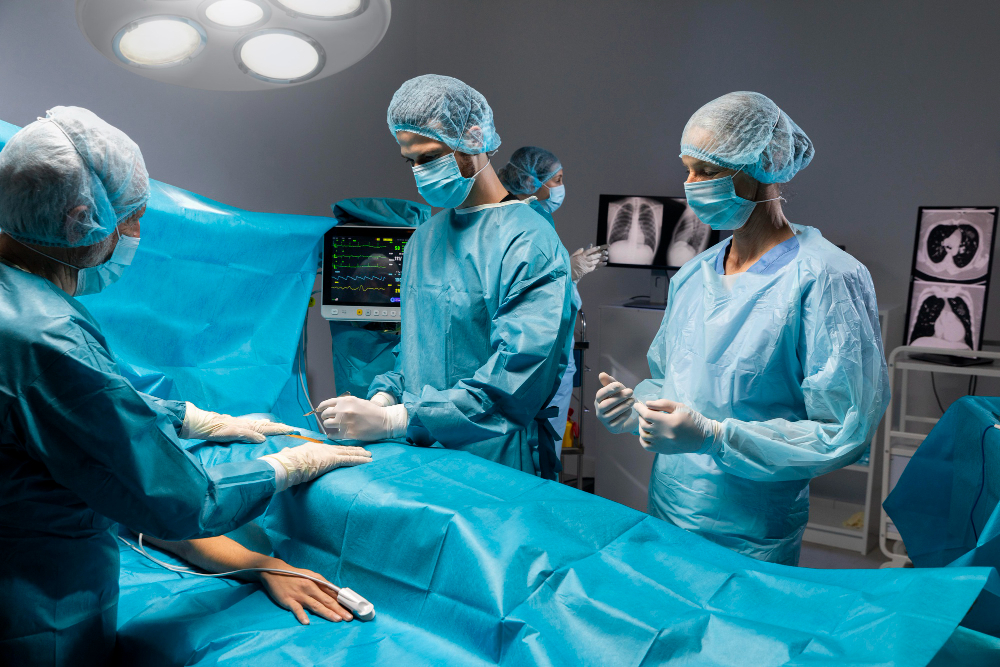
What is Laparoscopic Hysterectomy?
Laparoscopic hysterectomy is a type of minimally invasive surgery to remove the uterus. Doctors use small cuts and a camera to guide their tools. Because of this, the surgery is often called a minimally invasive hysterectomy or laparoscopic uterus removal. Many women choose this option because it usually means less pain and a quicker recovery. Unlike open surgery, this method uses tiny incisions, which can help reduce scarring.
Indications and Reasons for the Procedure
Doctors may suggest laparoscopic hysterectomy for several reasons. Often, it is recommended when other treatments do not work. Some common reasons include:
Sometimes, doctors may suggest this surgery if other treatments have failed. Always discuss your options with your healthcare provider.
How the Procedure is Performed
First, you will receive anesthesia, so you will not feel pain during the surgery. Next, the surgeon makes a few small cuts in your belly. Through these cuts, they insert a thin tube with a camera, called a laparoscope. This camera helps the doctor see inside your body. Then, special tools are used to remove the uterus. Sometimes, the doctor may also remove the ovaries or fallopian tubes if needed. After the uterus is removed, the small cuts are closed with stitches. Most patients go home the same day or the next day.
Benefits of Laparoscopic Hysterectomy
Laparoscopic hysterectomy offers many advantages over open surgery. Some key benefits include:
Because of these benefits, many women prefer this minimally invasive hysterectomy. However, not everyone is a candidate, so talk to your doctor.
Risks and Possible Complications
Like any surgery, laparoscopic hysterectomy has some risks. Although most people recover well, problems can happen. Possible risks of laparoscopic hysterectomy include:
However, these risks are rare. Your doctor will discuss them with you before the procedure. Always follow your doctor’s advice to lower your risk.
Recovery and Aftercare
After a laparoscopic hysterectomy, most women recover faster than with open surgery. Usually, you can go home within one or two days. At home, you should:
Most women return to normal activities in two to four weeks. However, recovery time can vary. For the best hysterectomy recovery tips, always ask your healthcare provider.
Frequently Asked Questions
Conclusion
Laparoscopic hysterectomy is a safe and effective way to remove the uterus. It offers many benefits, such as less pain and a quicker recovery. However, every woman is different. Therefore, always consult your gynecologist at Jabilli Hospital or healthcare provider for advice that fits your needs.