What are Uterine Fibroids?
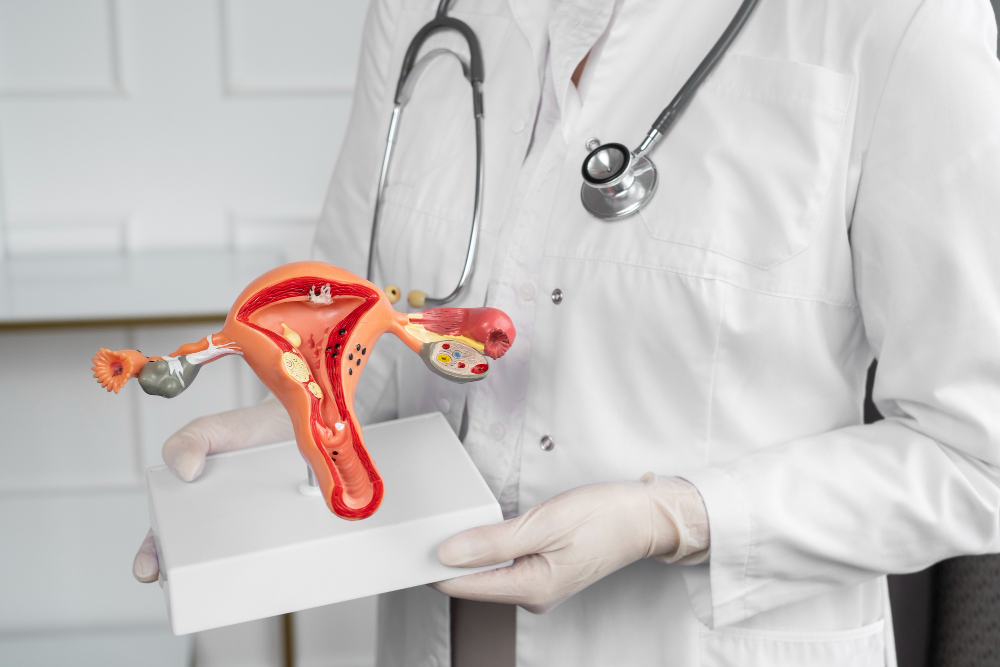
Uterine fibroids are non-cancerous growths that form in or on the uterus. Many women develop these fibroids during their childbearing years. Although fibroids are common, not everyone has symptoms. In fact, some women may not even know they have them. However, uterine fibroids can sometimes cause discomfort or other health issues. According to the CDC, up to 80% of women may have fibroids by age 50. Because fibroids are usually benign, they rarely turn into cancer.
Common Symptoms of Uterine Fibroids
While some women have no symptoms, others may notice changes. For example, symptoms can depend on the size, number, and location of the fibroids. Here are some common signs:
However, not all women will have these symptoms. If you notice any changes, it is important to talk to your doctor.
Causes and Risk Factors
Doctors do not know the exact cause of uterine fibroids. Still, several factors may increase your risk. For instance, hormones like estrogen and progesterone seem to play a role. These hormones help the uterine lining grow during each menstrual cycle. Fibroids tend to shrink after menopause when hormone levels drop. Other risk factors include:
Although these factors may increase risk, anyone with a uterus can develop fibroids.
How Uterine Fibroids are Diagnosed
Doctors often find uterine fibroids during a routine pelvic exam. If your doctor suspects fibroids, they may order tests to confirm. For example, an ultrasound uses sound waves to create images of the uterus. Sometimes, doctors use MRI scans for a clearer picture. In some cases, other tests like hysteroscopy or saline infusion sonogram may help. These tests allow doctors to see the size and location of the fibroids. Early diagnosis can help guide treatment choices.
Treatment Options for Uterine Fibroids
Treatment depends on your symptoms, age, and plans for pregnancy. In many cases, women with mild symptoms may not need treatment. However, if fibroids cause problems, several options are available. Some common fibroid treatment options include:
Because each woman is different, your doctor will help you choose the best treatment. In some cities, you may find advanced fibroid treatment centers offering the latest options.
Lifestyle Tips and Prevention
While you cannot always prevent uterine fibroids, some lifestyle choices may help lower your risk. For instance, eating a balanced diet with plenty of fruits and vegetables can support overall health. Regular exercise may also help maintain a healthy weight. Here are some tips:
Although these steps cannot guarantee prevention, they can support your well-being.
When to See a Doctor
If you notice heavy periods, pelvic pain, or other unusual symptoms, it is wise to see a doctor. Early care can help manage symptoms and prevent complications. For example, if you have trouble with daily activities or feel weak from blood loss, seek medical help right away. Remember, only a gynecologist can diagnose and recommend the best fibroid treatment options for you.
Consult a gynecologist at Jabilli Hospital for personalized advice on uterine fibroids.